


Scrambly: Play to Earn Rewards
4.518.22K Reviews
App Specs
- Version
- 0.15.0
- Updated On
- License
- Free
- Downloads
- 1,000,000+
- Developer
- Scrambly
- Categories
- Lifestyle
- Platform
- Android, iOS
Screenshots
 Analysis by AppCompare
I treat Scrambly: Play to Earn Money as a casual gaming app with a reward attached, not as a reliable way to earn income. That distinction matters: it makes more sense when I already want to play a quick phone game and see any reward as a small bonus. If I open it expecting meaningful cash for a few minutes of effort, I’m likely to be disappointed. The app is free, and its lifestyle focus fits that low-commitment use, but the value depends on whether its games suit my tastes and whether I’m comfortable spending time on reward-driven play.
A sensible way to start
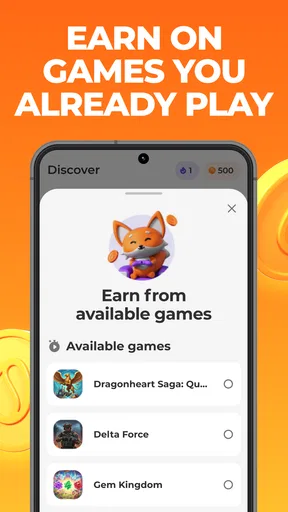
When I first open a rewards app, I resist the urge to tap through everything at once. With Scrambly, I’d begin by looking over the available games and choosing one I would enjoy even without a payout. That simple filter helps keep the experience honest: a game that feels like a chore is poor value, even if it offers a reward. The first useful question is not “How much can I make?” but “Would I choose to spend this spare time playing this?”
Setup is straightforward: create an account, then explore the games. I’d take a moment to understand the app’s own instructions for each activity before starting, rather than assuming that every game earns rewards in the same way. A small habit that helps is to note what I selected and what the app says I need to do. That makes it easier to distinguish ordinary game progress from progress that counts toward a reward, without relying on memory later.
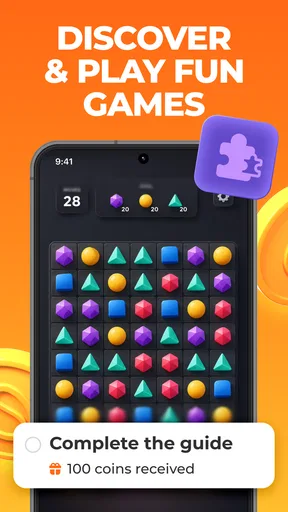
The interface is clean and easy to navigate, and the selection includes different kinds of play, from trivia to puzzles. That variety gives me a reason to switch when one activity stops being fun. It also means that “best game” is personal: someone who likes quick questions may have a different favourite from someone who prefers a slower puzzle. I’d sample a couple of options before settling into a routine, but I wouldn’t keep switching just because another tile catches my eye.
Getting Started with Scrambly
When you first download Scrambly, the setup is pretty straightforward. You create an account, and boom, you’re in. The interface is clean and navigable, making it easy to hop into games without a hitch. What caught my attention was the variety of games available. From trivia to puzzles, there’s something for everyone. So, if you’re someone who loves switching things up, you’re in for a treat.
Turn short sessions into a repeatable routine
A realistic way to use Scrambly is during a quiet break at home: I might open it after lunch, choose a familiar game, and play for a short stretch instead of scrolling through unrelated apps. The point is not to turn every spare minute into a task. I’d set a natural stopping point before I begin, such as finishing a round or taking a break when my attention fades. That keeps the reward from becoming a reason to play longer than I wanted.
For a commute, I’d be more selective. Trivia can be a good fit when I have a few uninterrupted minutes and can pay attention, while any game that needs steady concentration is a poor choice if I’m standing in a crowded space or expecting to get off soon. I wouldn’t start a session when I may need to put my phone away abruptly; losing focus or abandoning a round can make the experience feel more frustrating than entertaining. The app is best treated as optional downtime, not something to squeeze into every gap.
Worth Reading Before You Choose

EA SPORTS FC Mobile 26 Is a Bigger Football Game, but It Takes Time

Flipboard Shows What News Apps Must Do Beyond the Feed

Switching to Android Auto Means Rethinking Your Driving Routine

Google Calendar Makes a Crowded Week Easier to Manage

Ludo King Makes the Most of the Minutes Between Plans

Baby Panda World Brings Quick Play to Modern Phones, but Its Game Library Feels Busy
Experienced users can make the routine smoother without assuming there are hidden shortcuts: keep the app easy to find, choose a game before a break starts, and avoid bouncing between activities mid-session. If I’m trying a new game, I’d first learn its basic rules rather than chase a reward immediately. Once I know whether I like it, I can decide if it deserves another session. This is a practical way to reduce aimless browsing and spend more of the available time actually playing.
The Gameplay Experience
The games themselves are pretty engaging. I found myself getting lost in a trivia game, trying to outsmart the clock. The thrill of competing against others adds a whole new layer of excitement. Plus, knowing that there’s a monetary reward at the end keeps the adrenaline pumping. However, it’s not just about the cash. It’s about having a good time and testing your skills.
One thing I noticed is that the app encourages you to play multiple games to maximize your earnings. It’s a clever way to keep users engaged and coming back for more. And honestly, who doesn’t like a bit of healthy competition?
Check the reward terms before investing time
Rewards are the reason to try this kind of app, but I wouldn’t treat the word “cash” as a promise of quick, substantial earnings. The practical question is what each activity requires and how the reward is presented inside the app. Before committing to a longer game, I’d read the on-screen conditions carefully and make sure I understand what counts as completion. That quick check is more useful than estimating a payout from a headline or from another player’s experience.
It’s also worth separating two decisions: whether a game is enjoyable and whether its reward is worth the time for me. I might happily replay a puzzle because I like solving it, even if progress feels gradual. I would skip a game that I don’t enjoy simply because it appears to offer a more tempting reward. This makes the app a better fit for people who already like mobile games than for someone looking for a dependable side job.
Because reward apps can make progress feel like a score to chase, I’d avoid turning every session into an earnings calculation. A simple personal boundary helps: play only during time I had already set aside for entertainment, and stop when I’m no longer having fun. The reward should be a pleasant extra, not a reason to neglect rest, work, or other plans.
Settings and habits that prevent friction
I’d check the account and app settings early, especially any choices related to notifications or account details. Notifications can be useful if I want reminders, but they can also make a casual app feel demanding, so I’d keep only the alerts I actually find helpful. Before spending time on a game, I’d also make sure I’m using the account I intend to keep; that is a sensible precaution for any service that tracks progress or rewards.
It’s wise to use a stable connection when starting an activity that requires progress to be recorded. If a screen appears to stall, I’d pause and check the app rather than repeatedly tapping or immediately restarting the game. That small bit of patience can prevent confusion about whether an activity has registered. I’d also keep the app updated when convenient: Scrambly’s current version is 0.4.181, and it supports devices running Android 8.0 or later. Those details make it easier to check basic compatibility before installing.
For an even cleaner routine, I’d avoid starting several reward activities at once. Keeping one game in focus makes it easier to follow its instructions and notice when the app reflects progress. If I do switch, I’d first check whether I’m leaving a task unfinished. That is not a secret feature or a guaranteed way to earn more; it is simply a low-effort habit that helps keep a multi-game app from becoming confusing.
Cash Out and Rewards
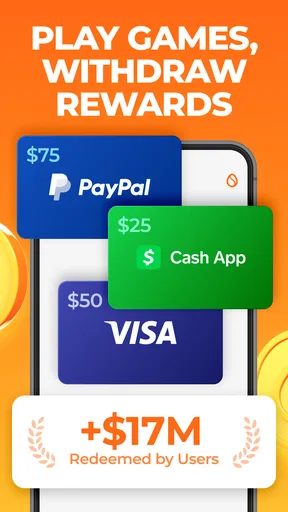
Now, let’s talk about the real deal – the money. Scrambly offers several ways to cash out your earnings, which is super convenient. You can choose from gift cards, PayPal, or even direct to your bank account. It's straightforward, and I haven’t encountered any issues cashing out so far.
Remember to keep an eye on the minimum withdrawal limits. It might take a bit of time to accumulate enough points, but if you’re consistent, it’s definitely doable. Patience is key here, my friends.
What to expect before you commit
A common question is whether Scrambly is free to try. The app itself is free, but that does not make the time spent playing automatically worthwhile. I’d think of the cost as attention rather than money and choose activities accordingly. Another sensible question is whether everyone can enjoy it: the content rating is Everyone, but the actual appeal still depends on whether the available game styles feel enjoyable to you.
People also want to know how soon they can cash out. The useful answer is to check the in-app withdrawal requirements and available options, then judge progress by what the app shows for the activities you complete. I wouldn’t plan around a particular amount or timetable. Rewards can take patience to build, and the minimum withdrawal limits make it important to understand the threshold before deciding how much time to invest.
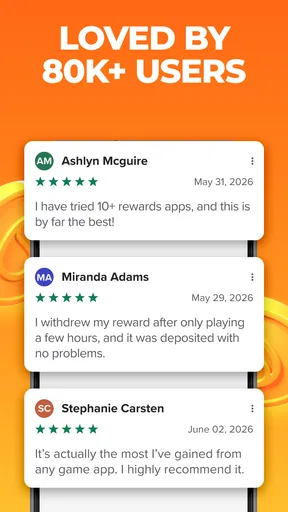
Scrambly is rated 4.5 on average, based on around 79,000 ratings, and has been installed over a million times. Those figures suggest it has found an audience, but they can’t tell me whether I’ll like the games or whether the reward pace will suit me. I’d use them as context, not as a substitute for trying a short session and deciding for myself. The app is rated for Everyone, and it was released on November 13, 2023.
How it compares with other ways to spend a break
Compared with ordinary free mobile games, Scrambly adds a reward motive to play, which can make a short session feel more purposeful. The trade-off is that I may think more about tracking progress and withdrawal requirements than I would in a game that is purely for entertainment. If I want the simplest possible play session, a standard puzzle or trivia app may be a better choice. If I already enjoy these games and like having a reward goal, Scrambly has a clearer appeal.
It also differs from survey or task-based reward apps in how the entertainment is centred on games. Someone who dislikes mobile games may prefer a service built around surveys or other tasks, while a person who would rather play than answer questions may find Scrambly more appealing. Neither approach is automatically better: the right choice depends on which activity I would willingly do even if the reward were modest.
I’d also compare it with simply using a regular game that has no cash-out element. A conventional game may offer a more focused experience, fewer reward-related decisions, or a style of play I prefer. Scrambly’s distinctive value is the combination of multiple games and a reward goal, not a guarantee that it will beat every alternative on entertainment or earnings. If the reward mechanics start overshadowing the actual games, switching back to a favourite standalone game is a perfectly reasonable choice.
Who will enjoy it—and who should pass
I’d recommend giving Scrambly a try if you already play casual phone games, enjoy variety, and are happy to treat rewards as a bonus for time you would otherwise spend gaming. It can suit someone who likes testing trivia knowledge one day and trying a different kind of game another day. Its free entry point also makes it easier to sample without making a purchase decision first.
I’d be more cautious if I needed predictable income, dislike account-based reward systems, or find that points and cash-out goals make leisure feel like work. It is also not ideal for someone who wants a single polished game with no switching or reward tracking. The app’s broad appeal does not mean every game will suit every player, and a large audience cannot guarantee a good personal fit.
Scrambly is from Scrambly, and the overall concept is easy to grasp: choose games, play, and work toward rewards. For me, the best way to judge it is to try a short session, read the requirements before committing to a longer one, and see whether I would play the game anyway. If the answer is yes, the reward layer can make a spare moment more engaging. If not, I’d move on rather than forcing myself to keep playing.
Final Thoughts
So, should you give Scrambly: Play to Earn Money a go? I’d say yes, especially if you’re looking for a way to make some extra cash while having fun. The app delivers exactly what it promises, and the variety of games ensures you won’t get bored anytime soon.
Overall, it’s a neat little app to have on your phone. Whether you’re killing time on your commute or chilling at home, Scrambly provides a fun and rewarding escape. So go ahead, give it a shot, and start earning today!
Pros
- Easy to use interface for all ages
- Engaging games with frequent updates
- No initial investment required
- Potential to earn real money rewards
- Variety of games keeps it interesting
Cons
- Limited payout options available
- Requires stable internet connection
- Can be addictive for some users
- Earnings can be slow to accumulate
- May contain in-app advertisements
FAQs for Scrambly: Play to Earn Rewards
What is Scrambly: Play to Earn Money?
Scrambly is a mobile app that allows users to earn real money by playing engaging puzzle games. The app combines entertainment with the opportunity to earn cash rewards, making it appealing to those who enjoy gaming and want to earn a little extra on the side. It is available on both Android and iOS platforms.
How do I earn money on Scrambly?
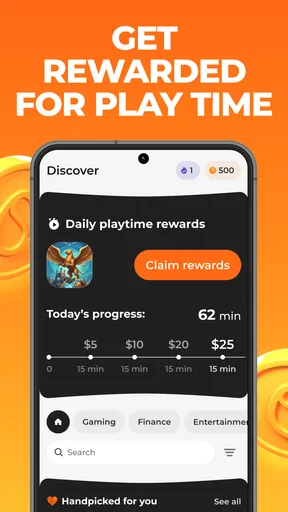
To earn money on Scrambly, you need to participate in various puzzle games and challenges. As you progress and achieve high scores, you can earn in-app currency or tokens, which can be converted into real money. The app may also offer daily bonuses and special events to boost your earnings.
Is there a cost to download or use Scrambly?
Scrambly is free to download and play, but it may offer in-app purchases or optional subscriptions. These purchases can enhance your gaming experience by unlocking additional features or providing extra in-game currency. However, they are not required to earn money, as you can still enjoy the app's core features for free.
Are there any age restrictions to use Scrambly?
Yes, Scrambly typically requires users to be at least 18 years old to participate in real-money earning activities. This age restriction is in place to comply with legal regulations regarding earning and handling money. Always check the app’s terms and conditions for the most accurate information.
How can I withdraw my earnings from Scrambly?
To withdraw your earnings, Scrambly usually offers several options such as PayPal or direct bank transfer. You need to reach a minimum threshold before you can request a payout. Ensure your account details are correctly set up in the app to facilitate smooth transactions. Check the app’s help section for specific withdrawal steps.


